THE PHILIPPINE RICE TERRACES
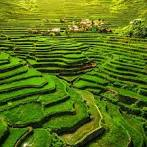
The Philippines Rice Terraces, also known as the “Eighth Wonder of the World,” are a mesmerizing agricultural landscape located in the mountainous regions of northern Luzon in the Philippines. Built by the indigenous Ifugao people over 2,000 years ago, these terraces display the ingenuity, skill, and deep cultural connection to the land of the Ifugao community.
The history of the rice terraces dates back to pre-colonial times, where the Ifugao ancestors carved the mountainsides into intricate step-like terraces. The terraces were ingeniously designed to utilize the natural water sources, creating a tiered irrigation system that allows for the cultivation of rice, among other crops, in the mountainous terrain.
The Ifugao people, known for their traditional agricultural practices, have been living in these rice terraces for generations. They have preserved their unique cultural traditions and continue to practice sustainable farming methods, focusing on the cultivation of heirloom rice varieties. The Ifugao’s intimate connection with the land and their harmonious relationship with nature contribute to the preservation of this UNESCO World Heritage Site.
For tourists, the Philippines Rice Terraces offer an awe-inspiring experience. Trekking through the lush greenery of the terraces provides a glimpse into the rich cultural tapestry of the Ifugao people. Visitors can interact with the locals, learn about their traditional farming methods, and even participate in rice planting or harvesting activities.
Apart from the terraces themselves, the surrounding landscapes offer breathtaking views of valleys, mountains, and traditional Ifugao villages. Exploring the region allows travelers to immerse themselves in the vibrant Ifugao culture, taste local delicacies, and shop for traditional handicrafts.
The Philippine Rice Terraces are not only a visually stunning destination but also a testament to the sustainable farming practices and the remarkable resilience of the Ifugao people. By visiting this remarkable site, tourists have the opportunity to appreciate the beauty of nature and support the preservation of a cultural heritage that has endured for centuries.