Philippine National Flower: Sampaguita
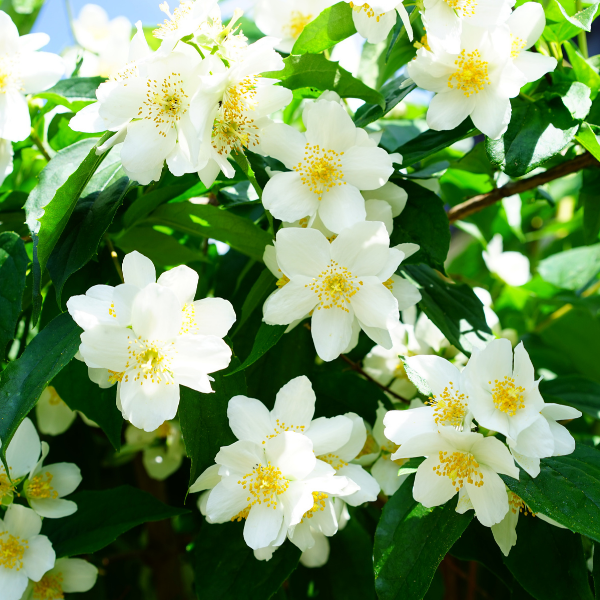
Numerous different things are represented by symbols. Given the depth of its culture and the splendor of its surroundings, the Philippines is known as Asia’s pearl of the Orient. Ancient forts, turn-of-the-century houses, centuries-old churches, and contemporary museums can all be found there. There are 7,100 islands in the Philippine archipelago. In the Philippines’ Mindanao area is Zamboanga City. Zamboanga is referred to as the “City of Flowers” since its name derives from the Malay term jambangan, which means “garden of flowers.” It is currently one of the most significant and active port cities in the Philippines. The majority of the populace in the Philippines speaks English and is kind and warm. A hallmark of the Filipino people is their renowned hospitality. People connect a certain symbol with something significant or expected when they encounter it. In order to distinguish themselves from other nations and to bring its population together through nationalism, each nation has its own national emblems. The “sampaguita” flower, sometimes known as the Arabian jasmine, is the official flower of the Philippines.
Its hue, white, stands for strength, simplicity, humility, and purity. Similar to how roses and peonies represent romance, the Sampaguita also connotes affection, purity, constancy, and divine hope. As a result, throughout Asia, the flower is utilized in tea, weddings, and religious offerings. Necklaces made of petals and flowers are frequently sold by vendors. The national flower of the Philippines is the sampaguita. It is a passionate flower that represents steadfastness, strength, and love. Because they are a variety of jasmine, they are also renowned for their fragrant perfume. In 1934, President Manuel L. Quezon declared Sampaguita as the national flower of the Philippines. This declaration was in recognition of the flower’s representation of Filipino values and identity. The Sampaguita is renowned for its exquisite white flowers, often star-shaped, with a delicate, sweet fragrance. The name “Sampaguita” is derived from the Tagalog words “sampa,” meaning “to gather,” and “gitâ,” meaning “along the fence,” referring to the way the flowers typically grow, entwined along fences or shrubs. Sampaguita holds a special place in Filipino culture and history. It is a symbol of purity, simplicity, and humility, values deeply cherished in Filipino society. The flower is often used in garlands, bouquets, and religious offerings. The Sampaguita is commonly strung into garlands known as “lei” or “gara-gara” and is often given as a gesture of warm welcome, friendship, or respect. It’s also used in various Filipino festivals and celebrations.
Beyond its symbolic significance, Sampaguita has practical uses as well. In traditional medicine, it is believed to have therapeutic properties and is used for its anti-inflammatory and soothing effects. It is also cultivated as an ornamental plant in gardens and parks.Due to its cultural importance, there have been efforts to preserve and protect Sampaguita. The flower’s image appears on the one-peso coin in the Philippines, further highlighting its national significance.While the white Sampaguita is the most well-known, there are also other variations, including those with pink or yellowish tinges.The Sampaguita is more than just a flower in the Philippines; it represents the essence of Filipino values, simplicity, and hospitality. Its recognition as the national flower underscores its importance in the cultural identity of the country.