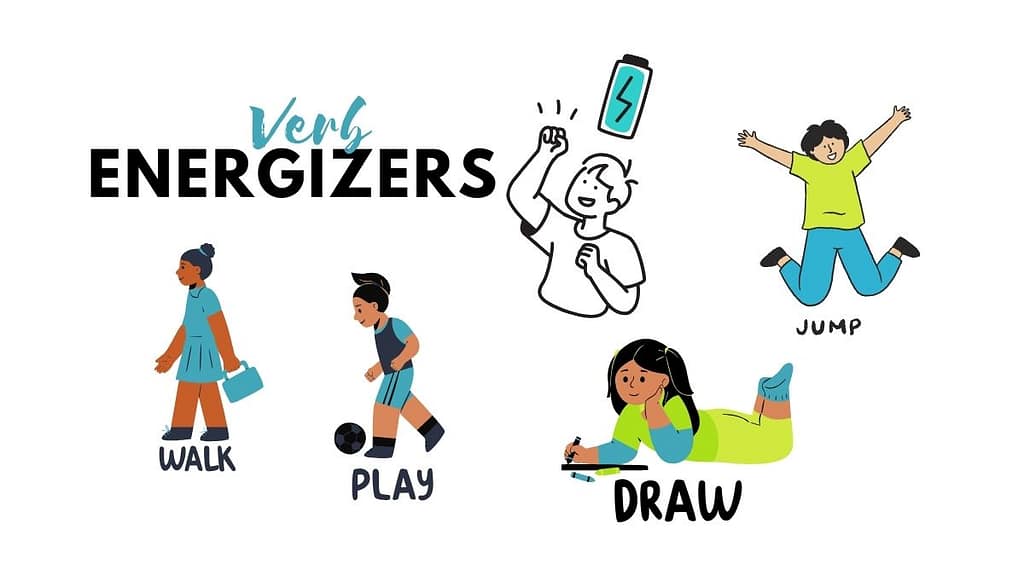
Helping children learn verbs can be exciting when the learning process is active, visual, and engaging. The Verb Velocity Kit for Kids is designed to make grammar learning simple, fun, and memorable by following the Observe, Act, Apply model. Instead of memorizing definitions, children discover verbs by watching actions, performing them, and then using them in real-life sentences. This approach helps kids build stronger language skills, improve writing ability, and develop confidence in communication. Whether used at home, in homeschooling, or in classrooms, the Verb Velocity Kit provides a structured yet playful way to master action words. Verbs are one of the most important parts of speech. They describe actions, states, and occurrences, helping sentences come alive.
For example:
- The dog runs.
- She laughs loudly.
- He build a tower.
Without verbs, sentences would feel incomplete. Teaching verbs early helps children communicate ideas effectively. The Verb Velocity Kit focuses on active learning, which is especially effective for young learners who learn best through movement and play. The Verb Velocity Kit uses a simple three-step method called Observe, Act, Apply. This method allows children to learn naturally through discovery and practice.
1. Observe: Discover Verbs in Action
The first step encourages children to observe verbs in the real world. Instead of starting with definitions, kids watch actions happening around them. This helps them understand that verbs are words that show what someone or something is doing. Examples of observation activities:
- Watching someone jump
- Seeing a bird fly
- Observing a friend draw
- Noticing a baby crawl
Teachers or parents can ask simple questions such as:
- What is the dog doing?
- What is your friend doing?
- What are you doing right now?
These questions help children recognize verbs naturally. Observation can also include:
- Picture cards
- Short videos
- Storybooks
- Everyday activities
The goal is to help kids notice actions before naming them.
2. Act: Learn Verbs Through Movement
Children remember words better when they physically act them out. The Act stage turns learning into a fun game where kids perform verbs. These games make grammar lessons feel like playtime rather than studying. This step builds strong memory connections between the word and the action. For example, a teacher or parent calls out a verb and the child performs the action:
- Jump
- Clap
- Spin
- Dance
- Run
Fun activity ideas include:
Verb Sorting
Kids pick a card card and sort it out in the baskets.
Verb Timeline Guessing Game
Children move around acting verbs and try to guess the tense form of the given verb. For example, play!—-played!
Action Relay
Kids perform verbs in sequence like jump → hop → crawl → clap.
3. Apply: Use Verbs in Sentences
After children recognize and act out verbs, the final step is to apply them in real language. This stage focuses on helping kids use verbs in speaking and writing. Example exercises include: Sentence Building–Children complete simple sentences:
- I can ______.
- The cat is ______.
Story Creation
Kids create short stories using verb prompts like:
- run
- build
- laugh
- write
- jump
For example:
“The puppy runs in the park.“
These activities strengthen grammar skills while encouraging creativity. A well-designed Verb Velocity Kit may include several interactive tools that support the Observe, Act, Apply model. These resources help children engage with verbs in multiple ways, improving both understanding and retention. Common kit components include:
Verb Flashcards
Cards showing actions like jump, run, build, laugh
Action Timeline
Visual charts that display time such as Yesterday, Today and Tomorrow
Movement Games
Simple games designed to reinforce action words.
Creative Writing Prompts
Action words that encourage kids to use verbs in sentence making.
The Observe, Act, Apply method provides several benefits for young learners. First, the active learning. Kids stay engaged because they are watching, moving, and creating instead of memorizing. Next, better memory retention, physical movement helps strengthen memory connections between words and actions. Then, improved language skills. Children practice verbs in speaking, reading, and writing. Another, increased confidence. Interactive activities reduce the pressure of traditional grammar lessons. Last, perfect for multiple learning styles. The kit supports:
- Visual learners
- Kinesthetic learners
- Auditory learners
This makes it ideal for classrooms, homeschooling, and learning centers. The Verb Velocity Kit transforms grammar lessons into an exciting learning experience. By combining observation, movement, and creative application, children develop a deeper understanding of verbs while having fun. Instead of simply memorizing grammar rules, kids learn to see, act, and use verbs naturally. This playful method builds strong language foundations that support reading, writing, and communication skills. Whether used by parents, homeschoolers, or teachers, the Verb Velocity Kit offers a powerful way to help children discover the energy and excitement of action words. Through the Observe, Act, Apply model, verbs truly come to life—and learning becomes an adventure.
Visit our online store and dance with the groove with your students!
Leave a Reply